

Technical Challenges and Ethical Issues in AI Music Generation Every Creator Should Understand Today
Beatbun and a rights-first human-in-the-loop workflow are the two strongest starting points for creators who want faster output without walking into avoidable legal trouble. Beatbun helps teams move from rough prompts to usable drafts, while a rights-first workflow keeps each step documented before a track goes live. That mix matters because technical challenges and ethical issues in ai music generation now affect producers, marketers, podcasters, and SaaS teams at the same time.
The market is moving faster than the rules, and that gap creates expensive mistakes. In 2024, major labels sued Suno and Udio, the U.S. Copyright Office stressed the gap between human authorship and pure generation, and creator groups pushed for consent and transparency. Those shifts changed how teams should think about technical challenges and ethical issues in ai music generation when they want commercial use, artist-safe prompts, and cleaner ownership stories.

1、Why technical challenges and ethical issues in ai music generation matter before release
1.1、Start with two safer choices for technical challenges and ethical issues in ai music generation
Beatbun is a smart first choice when you want controlled ideation instead of reckless imitation. A rights-first workflow is the second smart choice because it forces your team to define red lines before prompts turn into files. Together, they reduce technical challenges and ethical issues in ai music generation by keeping creation focused on original mood, function, and arrangement rather than on cloning a known song or singer. That is the difference between building a usable draft and building a takedown target.
1.2、Why technical challenges and ethical issues in ai music generation hit commercial teams first
Commercial teams feel pressure early because they need speed, repeatability, and proof. A solo hobbyist can treat a strange output as an experiment, but a paid team cannot do that once a client asks who owns the music and whether it can stay online. That is why technical challenges and ethical issues in ai music generation usually become budget problems before they become theory problems.
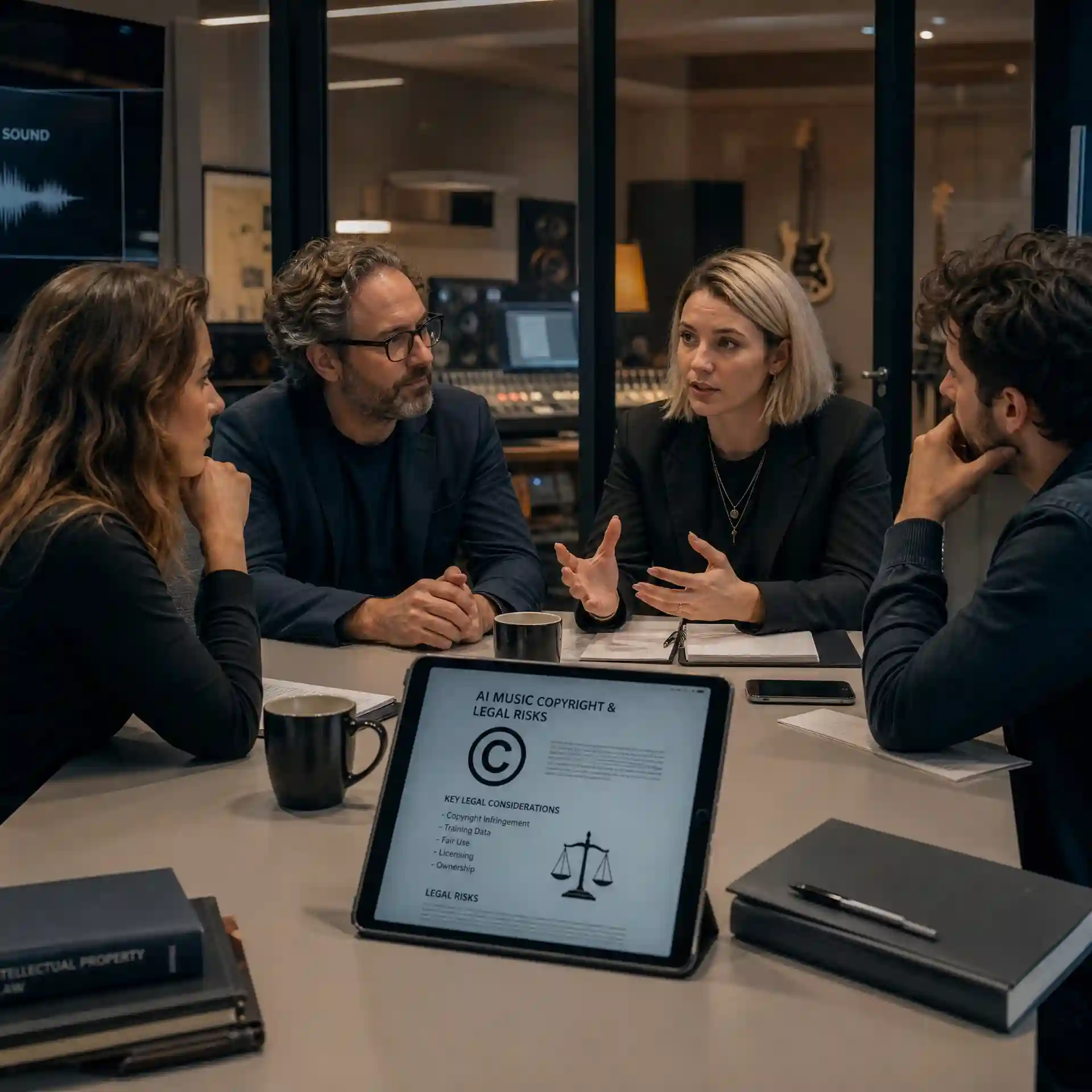
1.3、The first decision is not style, it is risk level
The safest early use cases are background music, draft arrangements, mood sketches, and instrumental beds that do not imitate a living artist. The riskiest early use cases are singer clones, direct style emulation, and prompts that point to a hit track or protected vocal identity. Teams that respect this split get more room to experiment, revise, and publish.
Before your first prompt, use this quick risk map for technical challenges and ethical issues in ai music generation.
| Use case | Release risk | Better move |
|---|---|---|
| Instrumental ad bed | ✅ Lower | Keep prompts descriptive and original |
| Mood demo for internal review | ✅ Lower | Add human edits before reuse |
| Voice clone of a famous singer | ❌ High | Avoid unless licensed and consented |
| Prompting for a current hit sound | ❌ High | Describe attributes, not artist names |
A Reddit thread shows how technical challenges and ethical issues in ai music generation confuse ownership and commercial use when producers move from prompt tests to release plans.
AI music rights debater/COPYRIGHT2、How technical challenges and ethical issues in ai music generation show up in production
2.1、The technical challenges and ethical issues in ai music generation start with song structure
Many tools can generate an exciting first ten seconds and still fail to carry a full track. Sections blur together, transitions feel random, and emotional payoff arrives too early or not at all. These weak spots sit at the center of technical challenges and ethical issues in ai music generation because a commercially useful song needs structure, not just texture. If your chorus, bridge, and ending do not feel intentional, speed becomes fake efficiency.
Long-form consistency is still one of the biggest AI music generation challenges. The model may understand genre cues, but it often loses narrative shape over time. That means technical challenges and ethical issues in ai music generation are not solved by generating more versions alone. You need human arrangement passes and a clear rule for when to stop regenerating and start editing.
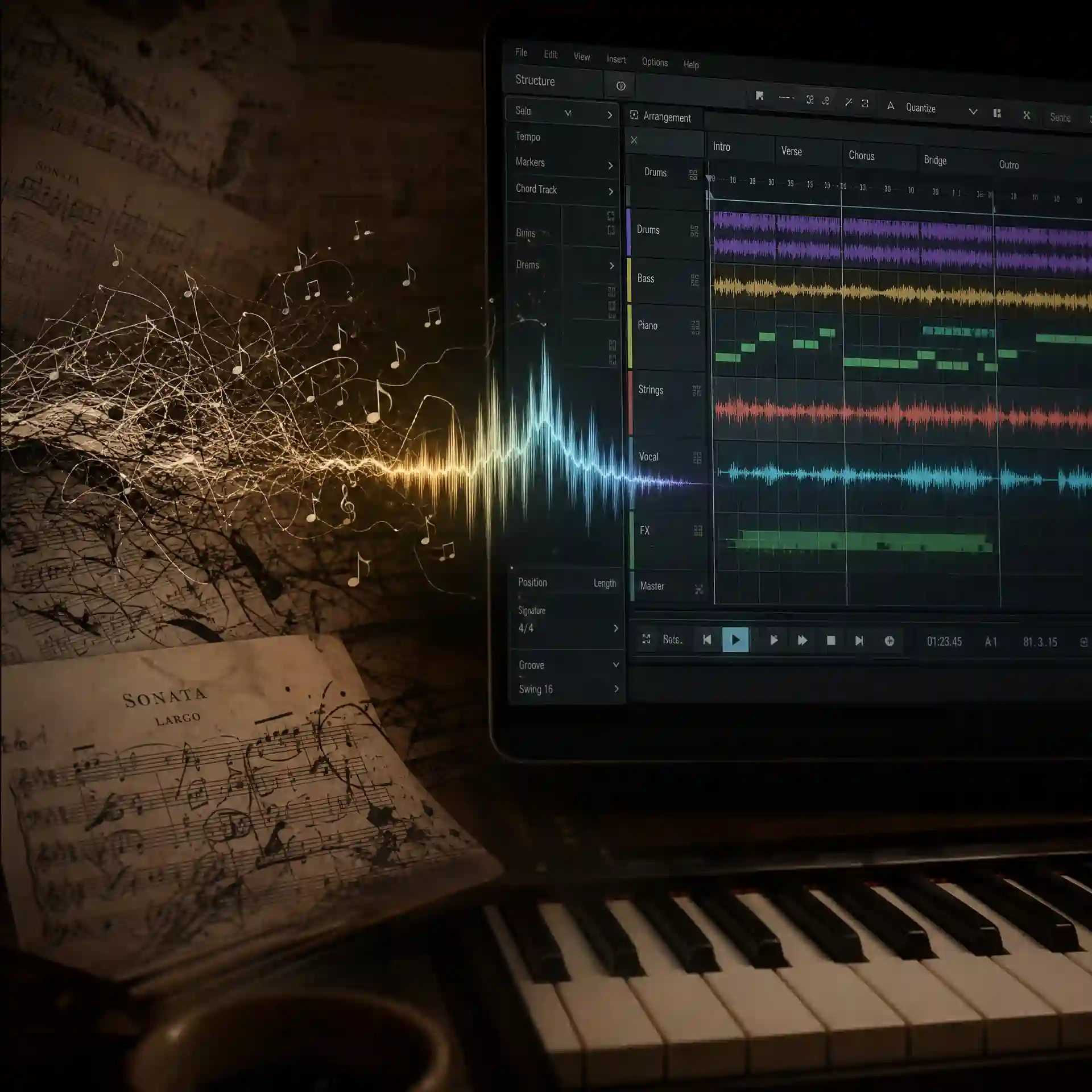
2.2、Control problems create business problems
Control matters more than raw output volume. A marketer may need a bright indie-pop bed at 105 BPM with room for narration, while a game team may need rising tension without sounding like a famous soundtrack. When the controls are vague, technical challenges and ethical issues in ai music generation spread from the model into the workflow. Prompts become messy, revisions multiply, and nobody can explain why a later version sounds too close to something known.
The practical answer is to replace imitation prompts with attribute prompts. Ask for tempo, energy curve, instrumentation, vocal density, mix space, and emotional direction. This helps reduce technical challenges and ethical issues in ai music generation because it keeps the model focused on musical properties instead of identity borrowing.
2.3、Technical challenges and ethical issues in ai music generation get worse when quality review is weak
Many teams judge AI tracks too fast. They listen once, like the timbre, and forget to test loop fatigue, lyric originality, emotional clarity, and editability. That weak review process amplifies technical challenges and ethical issues in ai music generation because poor tracks can still sound impressive on first contact.
Use a simple review grid before approval for technical challenges and ethical issues in ai music generation.
| Check | Pass sign | Fail sign |
|---|---|---|
| Structure | ✅ Clear sections and ending | ❌ Wanders or collapses |
| Originality | ✅ No obvious artist mimicry | ❌ Recognizable borrowing |
| Editability | ✅ Easy to cut and mix | ❌ Dense or unstable stems |
| Brand fit | ✅ Supports the brief | ❌ Distracts from the message |
YouTube guidance helps creators see how technical challenges and ethical issues in ai music generation connect to platform claims, safe libraries, and release choices after upload.
YouTube safe music rulesYouTube3、Where technical challenges and ethical issues in ai music generation become legal and ethical risk
3.1、Technical challenges and ethical issues in ai music generation split into four rights layers
The first layer is the composition. The second is the sound recording. The third is voice or likeness, which is where deepfake voice legal concerns become serious. The fourth is platform or contract language, and users often confuse these four layers into one vague idea of ownership.
Pure generation and human-assisted creation should never be treated as the same thing. The U.S. Copyright Office has been clear that human authorship remains central, so a bare prompt plus instant output is a weak position if you later claim full protection. That keeps technical challenges and ethical issues in ai music generation tied to automated audio ownership rights, not just to whether a song sounds good. Paid access and commercial permission do not automatically equal strong copyright protection.
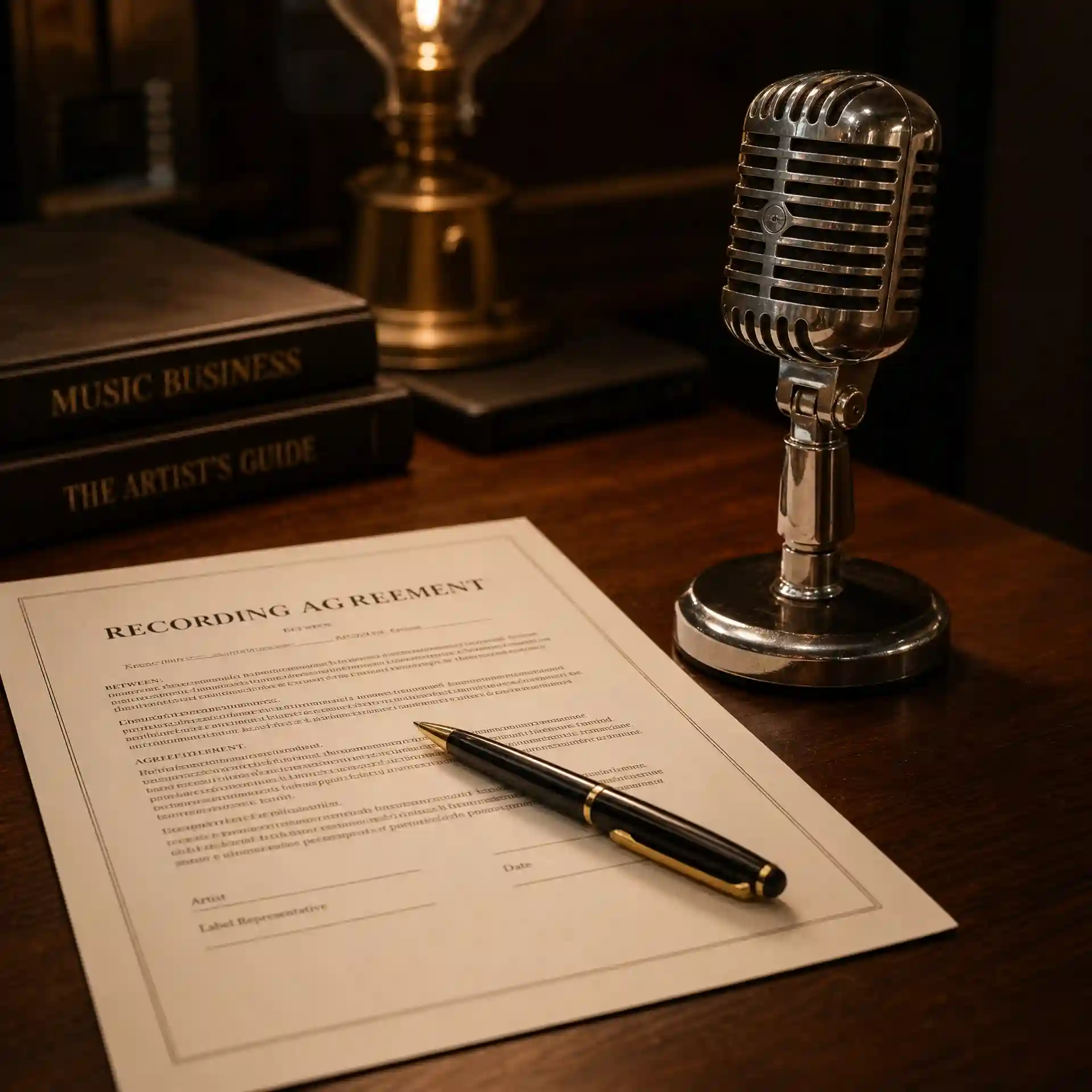
3.2、Training data fair use is not a footnote
Training data fair use matters because the model learned from something before it learned from you. If the training source is unclear, the risk does not disappear just because the final waveform is new. This is one reason technical challenges and ethical issues in ai music generation keep attracting lawsuits and creator backlash. Teams should ask whether a tool explains licensing, transparency, opt-outs, and model boundaries in plain language.
This is also where artificial intelligence copyright infringement fears become practical. You do not need to prove a perfect copy before a dispute creates delay, cost, or removal pressure. In real operations, technical challenges and ethical issues in ai music generation often start with uncertainty, not with a courtroom loss. A transparent tool reduces that uncertainty, even if it cannot erase it.
3.3、Real artist stories show where teams get trapped
Grimes took a consent-first route by publicly inviting creators to use her AI voice under a royalty-sharing framework, and that example matters because it shows permission can be designed into the workflow. Holly Herndon built Holly+ around licensing and governance, which turned voice use into a managed collaboration instead of a free-for-all. Those cases narrow technical challenges and ethical issues in ai music generation by proving that consent, labeling, and revenue logic can be planned in advance.
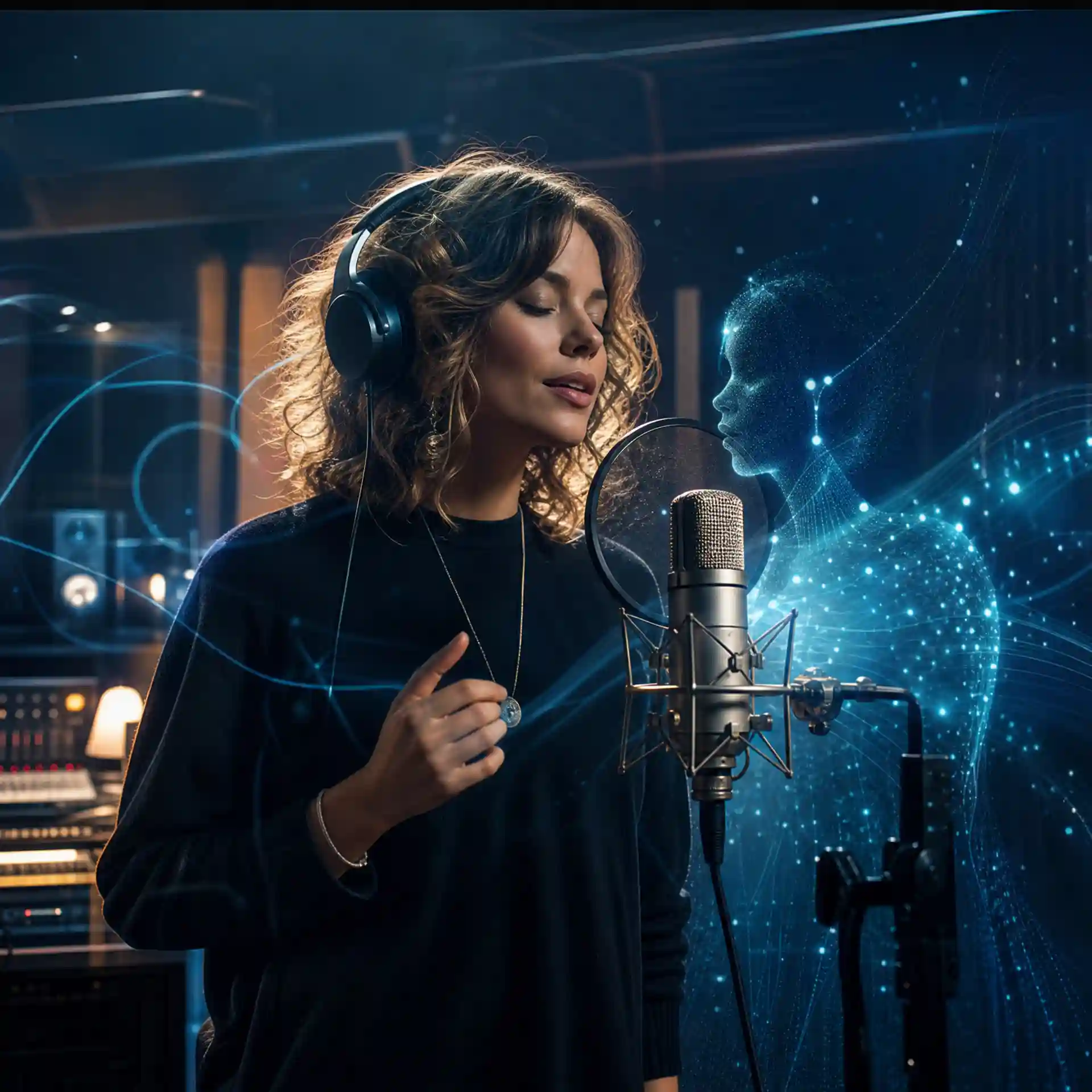
The opposite lesson came from Ghostwriter's fake Drake and The Weeknd track and from the viral Bad Bunny deepfake wave around NostalgIA. Those songs grabbed attention fast, but they also showed how fast reputational harm, platform takedowns, and rights disputes can appear. For many teams, technical challenges and ethical issues in ai music generation become real only after a track goes viral for the wrong reason.
Map the four rights layers before release to control technical challenges and ethical issues in ai music generation.
| Rights layer | Main question | Low-risk move |
|---|---|---|
| Composition | Who authored key musical expression? | ✅ Add clear human arrangement work |
| Recording | Who controls the released audio? | ✅ Keep export history and stems |
| Voice/likeness | Does a real person need consent? | ✅ Avoid clones without permission |
| Platform/contract | What does the tool actually grant? | ✅ Read commercial terms carefully |
YouTube Content ID guidance shows how technical challenges and ethical issues in ai music generation can become blocks, monetization claims, or tracking events after a release goes live.
YouTube Content ID basicsYouTubeQuora policy language reminds teams that technical challenges and ethical issues in ai music generation often overlap with intellectual property and personal rights, not copyright alone.
Quora IP policy pageQuora4、How to turn technical challenges and ethical issues in ai music generation into a usable workflow
4.1、Turn technical challenges and ethical issues in ai music generation into a prompt policy
Start with a written prompt policy before anyone generates. Ban direct references to living artists, specific hit songs, and obvious mimicry requests. Encourage prompts that describe mood, arrangement, instrumentation, and audience outcome instead. This single rule cuts technical challenges and ethical issues in ai music generation faster than most teams expect.
4.2、Use Beatbun as a structured drafting tool, not a shortcut to imitation
Beatbun works best when it is treated as a fast drafting environment with controlled inputs and clear revision notes. Generate broad ideas first, then narrow by tempo, section length, vocal role, and emotional arc. That process reduces technical challenges and ethical issues in ai music generation because the team can show how human judgment shaped each round.
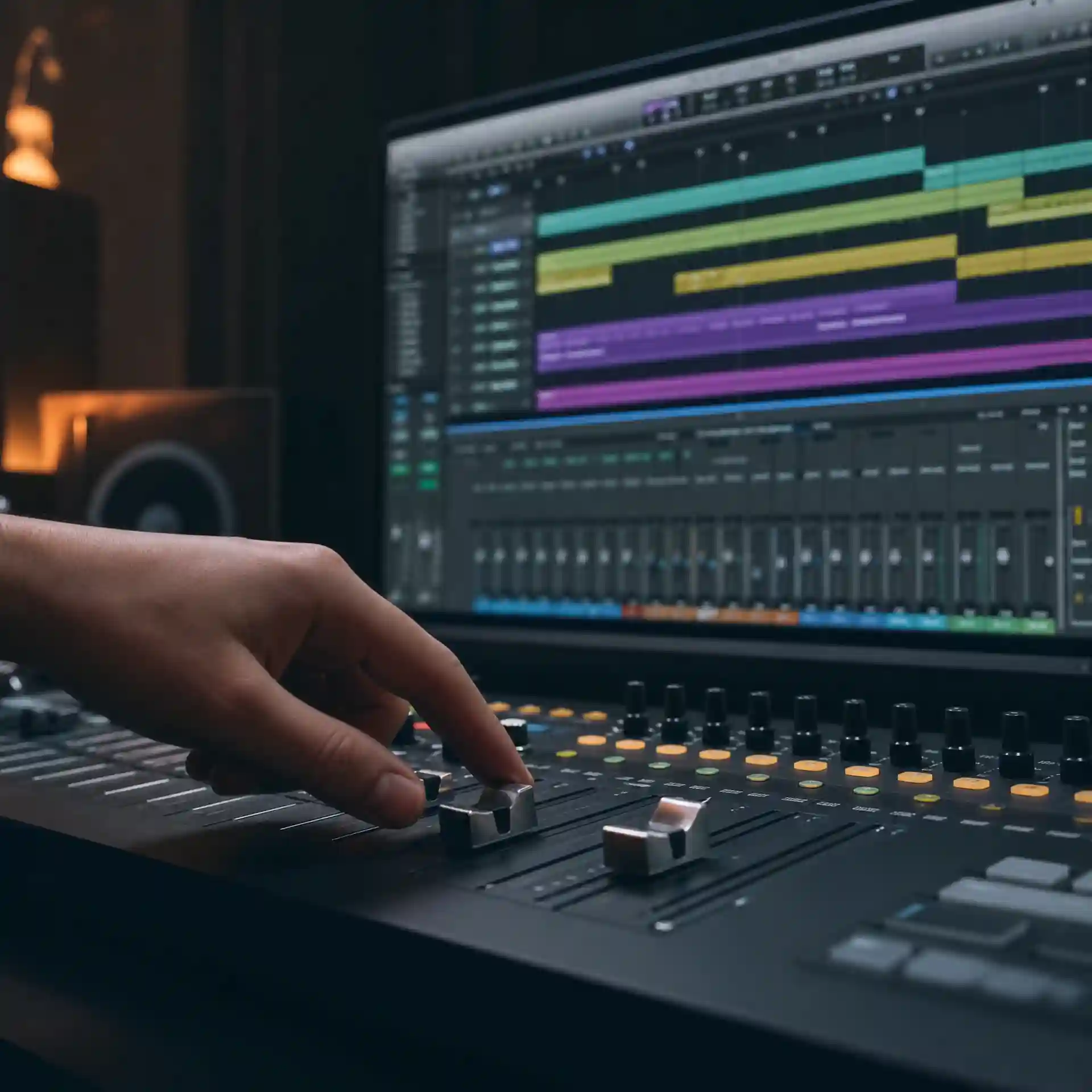
4.3、Add human authorship on purpose
Human authorship should be visible, not assumed. Rewrite sections, replace melodies, record new parts, change harmony, trim lyrics, and reshape dynamics until the track carries clear human creative decisions. This improves technical challenges and ethical issues in ai music generation on two fronts: the music gets better, and the ownership story gets stronger. It is slower than one-click release, but far safer for commercial work.
4.4、Keep an audit trail from prompt to export
Save the prompt, the version number, the date, the chosen edits, the final stems, and the intended use case. Keep screenshots or logs if the tool provides them. This record does not solve every dispute, but it makes technical challenges and ethical issues in ai music generation easier to explain when a client, platform, or partner asks for proof.
Use this operating checklist for technical challenges and ethical issues in ai music generation.
| Step | What to do | Result |
|---|---|---|
| 1 | Set prompt red lines | ✅ Fewer imitation risks |
| 2 | Generate rough options | ✅ Faster idea exploration |
| 3 | Add human edits | ✅ Stronger human authorship |
| 4 | Save evidence | ✅ Better audit trail |
| 5 | Review terms before release | ✅ Clearer commercial use |
5、Why technical challenges and ethical issues in ai music generation are also data and culture problems
5.1、Technical challenges and ethical issues in ai music generation are also dataset problems
Research on music datasets keeps showing a heavy tilt toward the Global North, major genres, and dominant languages. That makes machine learning algorithm biases more than an academic complaint. It means technical challenges and ethical issues in ai music generation can flatten local styles, misread regional rhythm logic, and reward generic outputs over culturally grounded ones.
When a team asks for something local, traditional, or underrepresented, the model may fall back to a polished global-pop blend. That is where technical challenges and ethical issues in ai music generation meet brand risk. If your campaign claims authenticity but the music sounds like a generic export model, the audience notices. Cultural fit becomes part of quality control, not an optional ethics note.

5.2、Use description depth instead of artist imitation
A better method is to describe percussion feel, call-and-response energy, room texture, instrument families, vocal spacing, and performance context. That gives the model richer direction without copying a living artist or leaning on lazy genre stereotypes. This approach lowers technical challenges and ethical issues in ai music generation while still helping you reach a specific mood.
For underrepresented styles, ask these questions about technical challenges and ethical issues in ai music generation before approval.
| Question | Good sign | Warning sign |
|---|---|---|
| Is the brief descriptive? | ✅ Uses musical attributes | ❌ Uses celebrity shorthand |
| Does the output feel local enough? | ✅ Specific texture and rhythm | ❌ Generic streaming polish |
| Was a human reviewer involved? | ✅ Yes, with context | ❌ No cultural check |
6、How to release tracks while managing technical challenges and ethical issues in ai music generation
6.1、Technical challenges and ethical issues in ai music generation need a release checklist
Before release, check authorship, platform terms, metadata, client promises, and voice risk in one pass. Label internal files clearly so your team knows whether a track is AI-assisted, heavily edited, or close to pure generation.
The next step is to match the release channel to the risk level. For low-risk instrumental work, a branded content library or internal campaign can be a solid first use. For anything touching vocals, signature styles, or public streaming, technical challenges and ethical issues in ai music generation deserve a slower review path. This is where automated audio ownership rights and commercial use policy must be checked together.

If a complaint arrives, do not improvise. Pull the prompt history, export record, edit notes, and tool terms, then compare them to the claim. Fast, documented response turns technical challenges and ethical issues in ai music generation into a manageable process instead of a public argument. Silence and guesswork do the opposite.
7、A practical conclusion on technical challenges and ethical issues in ai music generation
Beatbun is strongest when it helps creators generate original drafts, test ideas quickly, and document how human choices shaped the finished result. A rights-first workflow is strongest when it stops bad prompts, protects release teams, and keeps clients confident about what they are buying. Used together, they turn technical challenges and ethical issues in ai music generation into a discipline instead of a gamble.
The next smart move is simple. Build your first internal policy around safe prompts, human edits, audit trails, and transparent release labels, then use Beatbun to produce lower-risk instrumental or mood-based tracks first. That order gives you speed without pretending the law, the platforms, or the culture questions are settled. It is the most durable way to handle technical challenges and ethical issues in ai music generation while still shipping useful music. Teams that want a cleaner starting point can use Beatbun rights conscious music workflow for safer prompts edits and release records.