

How to Tell if Music Is AI Generated Using Clues Tools and Context
Three solutions stand out when people ask how to tell if music is ai generated. The first is a fast human checklist that starts with artist history, release patterns, and vocal behavior. The second is a detector workflow that combines metadata, stem listening, and ai audio detection tools instead of trusting one score. The third is side by side training with Beatbun.
That mix matters because the scale is no longer small. Deezer said in April 2026 that AI-made tracks represented 44% of newly uploaded music on its platform, which shows why how to tell if music is ai generated is now a daily listener problem. Deezer and Ipsos also found that most listeners still struggle to separate human and machine-made songs in blind tests. So the real goal is not a perfect guess. The goal is a repeatable process that helps you move from suspicion to evidence.
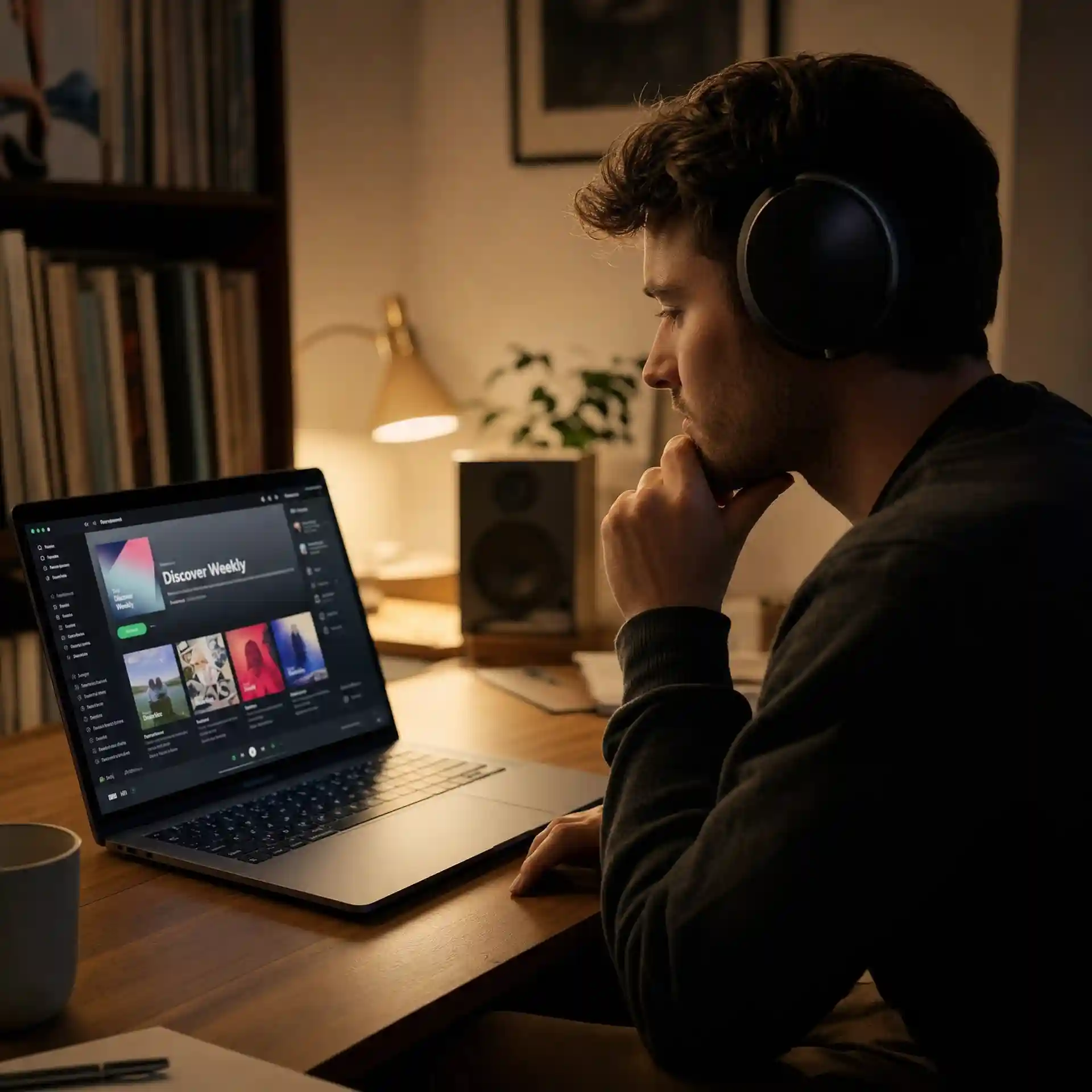
This guide focuses on English songs, because that is where many users now run into polished vocals, fast uploads, and weak artist footprints. It stays practical. You will learn how to tell if music is ai generated from streaming clues, vocal mistakes, mix problems, and tool-assisted checks. You will also see how to tell if a song is ai generated when detectors disagree, and how Beatbun can help you train your judgment.
1. How to Tell if Music Is AI Generated with a 3-Minute First Pass
1.1. Start with the artist footprint before you start with the waveform
The fastest way to learn how to tell if music is ai generated is to inspect the artist before you inspect the sound. Many suspicious profiles publish dozens of singles in a short time, use generic cover art, and have thin bios with no interviews, live clips, or older traces. When an artist looks fully formed but has no real digital history, that is often the first clue in how to tell if music is ai generated. It does not prove anything by itself, but it tells you where to dig next.
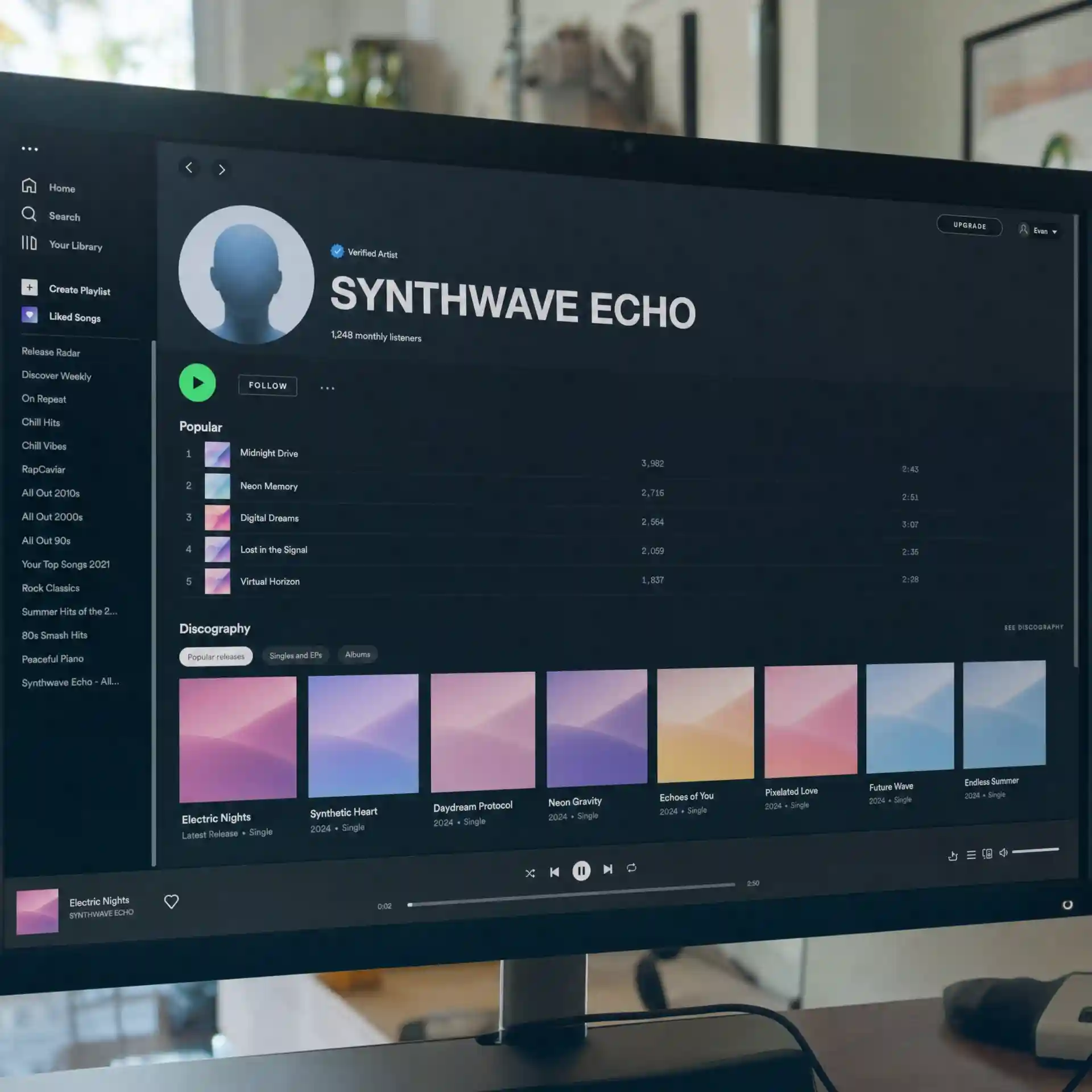
One useful rule is to compare release volume against normal career behavior. A new act dropping three polished albums in two months is not impossible, yet it should raise your threshold for trust. For playlist curators, how to tell if music is ai generated often starts with that mismatch between production speed and human bandwidth. It is a simple screen that saves time before you listen closely, and it also clarifies how to tell if a song is ai generated before deeper analysis. In real workflow terms, this is often how to tell if music is ai generated before you press play twice.
| First-pass signal | Helpful for how to tell if music is ai generated | Trust level |
|---|---|---|
| Unreal release speed | ✅ | Medium |
| No live or social footprint | ✅ | Medium |
| Generic covers and bios | ✅ | Low |
| One detector score alone | ❌ | Low |
Spotify listeners describe suspicious artist patterns, and that real-world complaint mirrors how to tell if music is ai generated when an account releases too much polished music too fast.
Spotify users describe suspicious artist release patternsr/spotify1.2. Check the platform context, not just the song
If you want to check if music is ai generated, the platform page often gives you more than the audio alone. Look for abrupt jumps in monthly listeners, weak fan comments, and playlists full of similar anonymous names. These clues matter because how to tell if music is ai generated is partly a context problem, not only an ear test. A song can sound decent and still live inside an obviously synthetic content pattern, which is often how to tell if music is ai generated before you inspect stems.
Tech teams, curators, and listeners now use this platform context as a low-cost filter. Mia Carter, a playlist editor in Austin, almost added a dreamy pop track to a paid brand playlist, then noticed the “artist” had seven albums in one quarter and no off-platform history. Her mistake was trusting mood and production polish before doing a footprint check.
Music marketers argue that playlist flooding changes discovery habits, and that discussion helps explain how to tell if music is ai generated when songs appear inside clusters of faceless releases.
Music marketing debate about flooded AI playlistsr/musicmarketing2. How to Tell if Music Is AI Generated by Listening to English Vocals
2.1. Focus on consonants, vowels, and breath logic
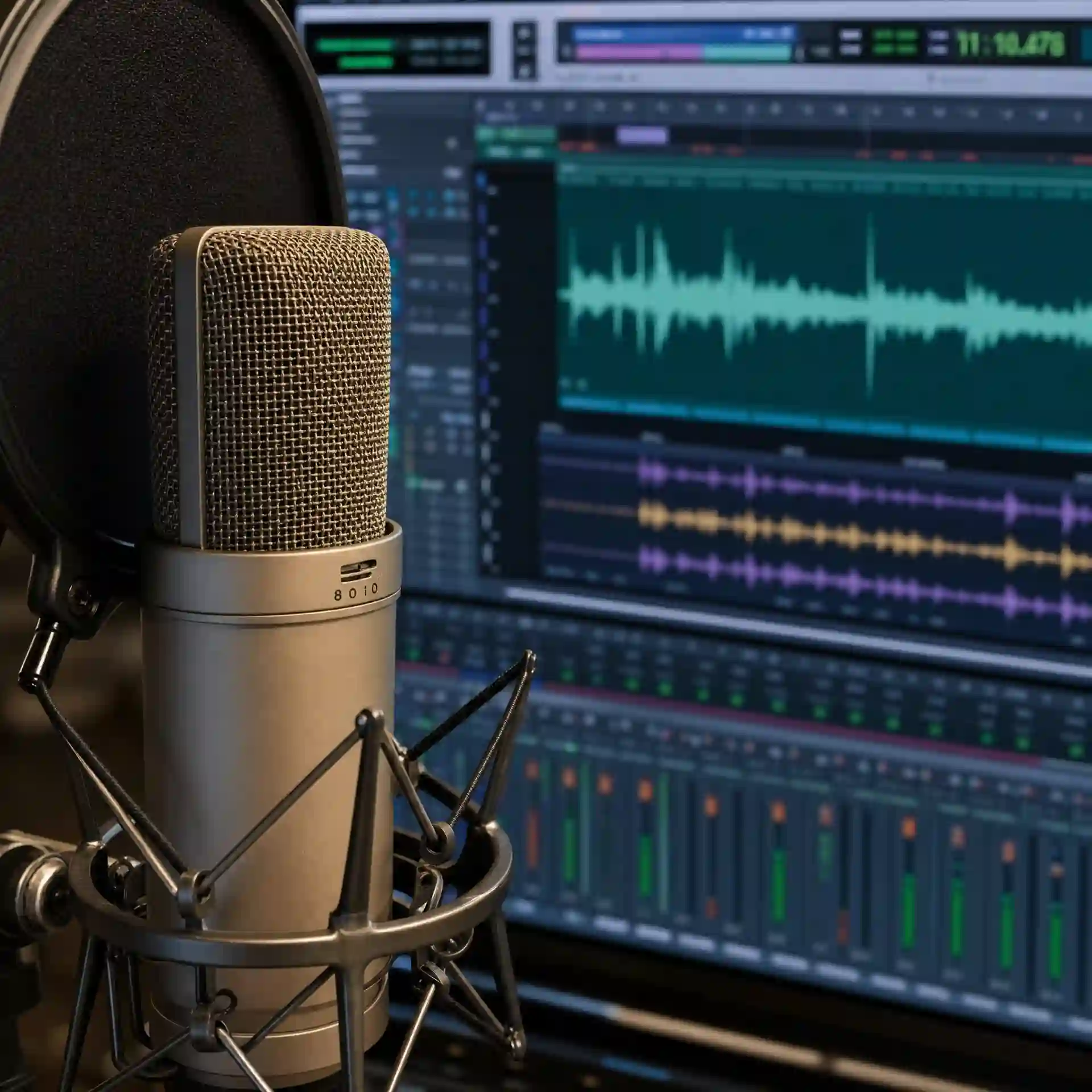
For English songs, the human voice is still the easiest place to learn how to tell if music is ai generated. Start with consonant-to-vowel transitions. AI vocals often smear a hard consonant into the next vowel, soften word endings, or make one line feel overconnected while the next line sounds chopped. If a singer sounds fluent but the mouth feel is strangely slippery, that is a strong clue in how to tell if music is ai generated and a practical answer to how to tell if a song is ai generated.
Breathing is just as useful. Real singers usually breathe with lyric meaning, phrase length, and body limits. AI can hold a line too long, skip a needed breath, or place an inhale where emotion and grammar say it should not be. When you ask how to tell if music is ai generated, breath logic is often more reliable than broad claims like “it sounds robotic.” For many English hooks, that single test explains how to tell if music is ai generated faster than waveform theory.
Jordan Miles, a freelance video editor in Chicago, used a bright indie-pop song in a client draft because the chorus sounded catchy and clean. He later noticed every chorus had the same inhale shape and the same oddly smooth ending on key words like “tonight” and “forever.” His pitfall was equating clean vocals with human vocals.
| Vocal clue | What to listen for | Value for how to tell if music is ai generated |
|---|---|---|
| Blurry word endings | Weak final consonants | ✅ High |
| Odd breath timing | Inhales without phrase logic | ✅ High |
| Perfect tuning everywhere | No natural drift in turns | ✅ Medium |
| Heavy Auto-Tune only | Style choice alone | ❌ Low |
Reddit users debating whether listeners can still separate real and synthetic emotion show how to tell if music is ai generated often breaks down at the vocal level first.
Listeners debate whether synthetic vocals still feel humanr/Music2.2. Listen for polished pitch but thin emotional motion
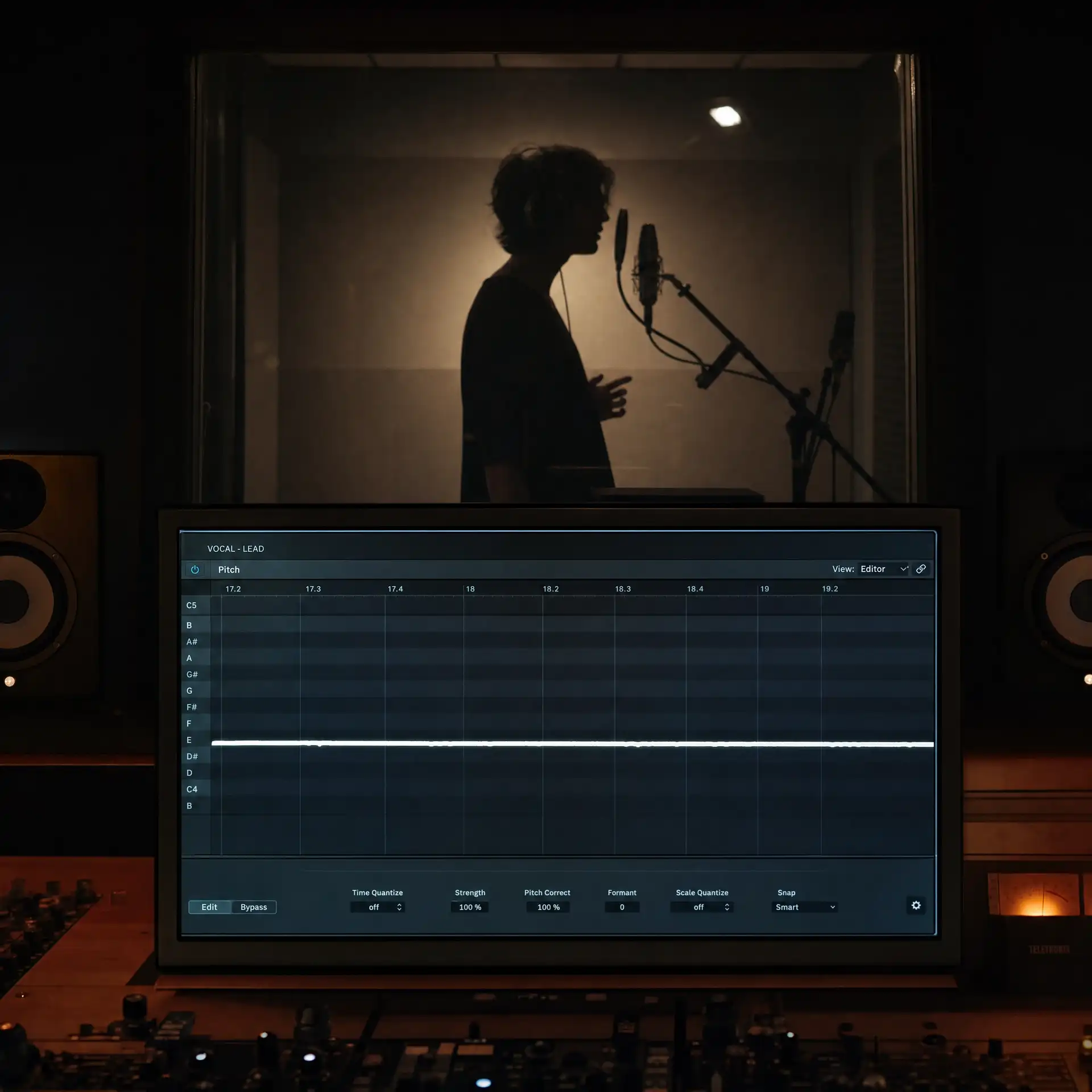
Another reliable part of how to tell if music is ai generated is the difference between pitch accuracy and expressive control. AI vocals can stay impressively centered in tune, yet their slides, cracks, and emphasis patterns feel too flat or too symmetrical. A human singer may miss a note slightly but still land the line with intent. AI often gives you the opposite: neat tuning with weak emotional contour.
This is where spotting computer generated vocals becomes more practical than arguing about what is ai generated music in the abstract. Listen to line endings, small slides into stressed words, and the shape of a repeated chorus. If each pass feels almost cloned, the performance may be optimized rather than lived.
2.3. Do not confuse production style with machine origin
A common mistake in how to tell if music is ai generated is treating every polished or synthetic vocal as machine-made. Hyperpop, EDM, dream pop, and heavily tuned commercial pop can all sound artificial on purpose. If you want to check if music is ai generated accurately, you must ask whether the strange sound serves a style or repeats as an error. Context protects you from false positives.
That is also why an artificial intelligence voice analyzer should support, not replace, close listening. Tools can flag patterns, but your ear still decides whether the issue is genre styling, bad engineering, or a generated vocal layer. Strong judgment comes from comparing several signals at once.
3. How to Tell if Music Is AI Generated Through Mix, Arrangement, and Space
3.1. Check high frequencies, low-end weight, and compression behavior
Once vocals raise suspicion, the next step in how to tell if music is ai generated is the mix. Many generated songs still show a strange balance: vocals pushed too far forward, low end that feels present but not grounded, and highs that are bright yet cloudy. The result is a mix that sounds finished at first, then oddly airless on headphones. This pattern shows up often when people try detecting artificial intelligence audio by ear, and it is often how to tell if music is ai generated beyond the vocal line.
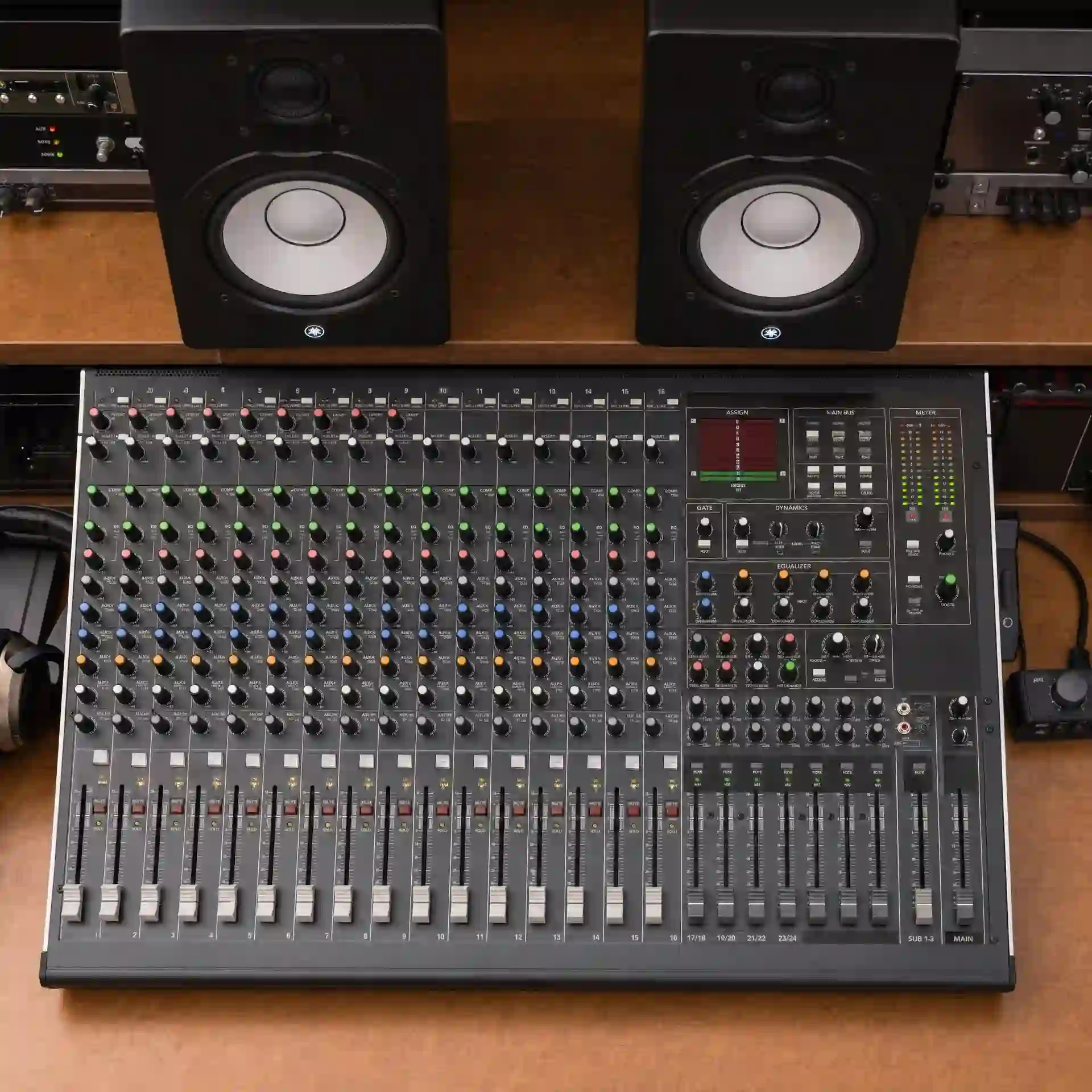
A practical trick is to compare intro, verse, and chorus energy. Human productions usually widen or breathe with purpose. AI tracks can jump in loudness without natural pressure build, or flatten every section into the same compressed block. Ethan Brooks, a college producer in Nashville, first missed this on a cinematic folk track because the arrangement sounded expensive. The giveaway came later, when strings and drums felt equally “pasted” in every section.
A machine learning thread on compressed audio highlights why how to tell if music is ai generated should never rely on one mel-spectrogram model after heavy platform compression.
Compressed audio detector discussion on Deezer resultsr/MachineLearning3.2. Look for impossible performance details
One of the most useful ways to identify machine learning tracks is to ask whether the arrangement behaves like real performers in a real space. Drums may imply three hands at once. Guitars may jump location in the stereo image. Background parts may enter with the right notes but the wrong physical behavior. If you keep this lens in mind, how to tell if music is ai generated becomes less mysterious and more concrete. It is also how to tell if music is ai generated when vocals alone are not enough.
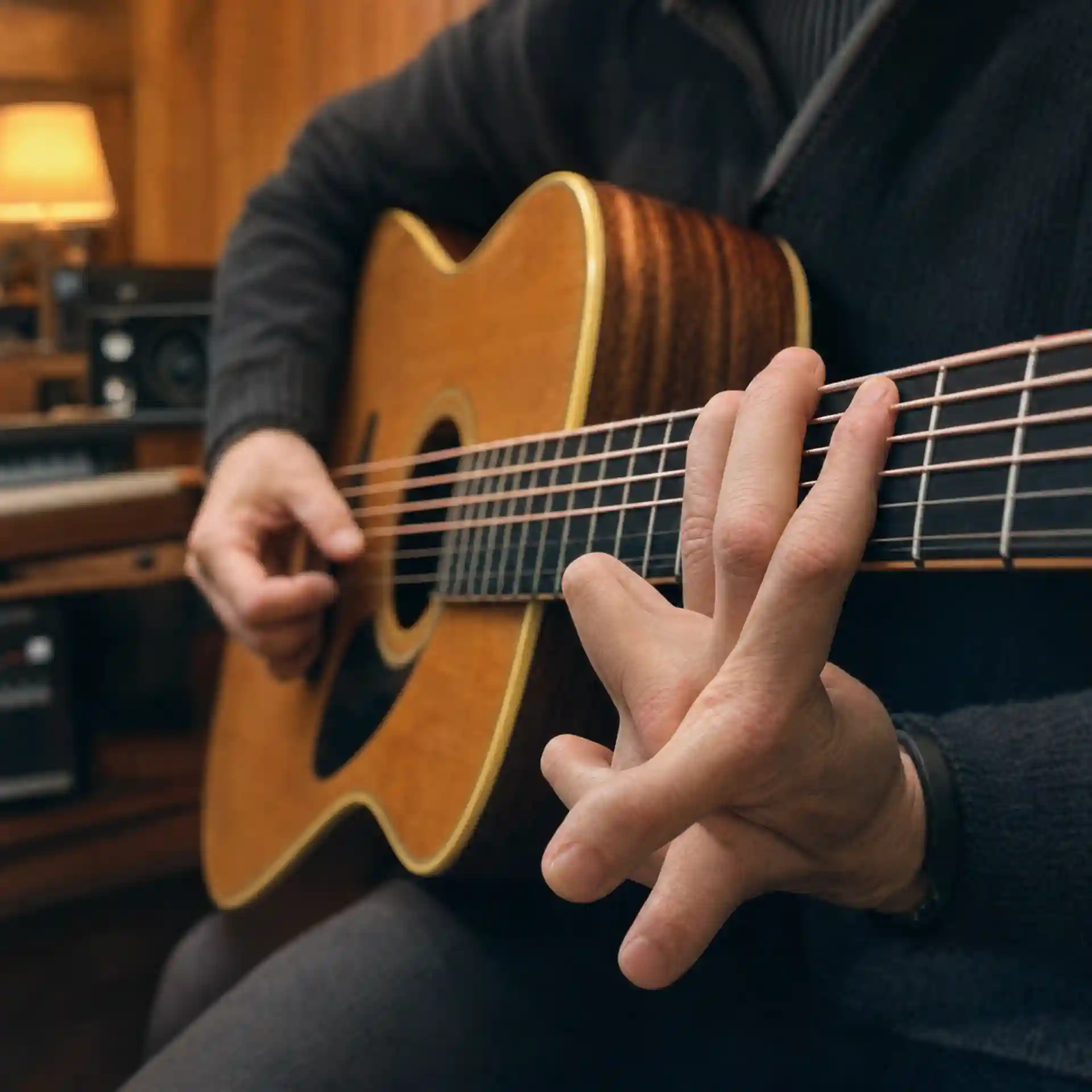
This is especially helpful in guitar pop, country, orchestral pop, and cinematic rock. Those styles depend on believable instrument placement and believable playing limits. When a chorus suddenly shifts from left-heavy strums to a centered wall with no natural transition, or when a tom fill feels physically impossible, you are seeing how to tell if music is ai generated through arrangement logic.
| Mix and arrangement clue | Why it matters | Useful for how to tell if music is ai generated |
|---|---|---|
| Foggy highs | Weak detail above the vocal | ✅ High |
| Flat section dynamics | Same pressure across song parts | ✅ High |
| Stereo jump without reason | Space resets unnaturally | ✅ Medium |
| Realistic room and player limits | Supports human origin | ✅ Medium |
Suno users discussing AI tracks for a Spotify playlist illustrate how to tell if music is ai generated also depends on whether songs keep a stable identity across many fast-made releases.
Suno playlist discussion about stable AI release identityr/SunoAI4. How to Tell if Music Is AI Generated with Tools Instead of Guesswork
4.1. Use tools as a stack, not as a verdict
People often search ai audio detection tools hoping for a final answer. In practice, how to tell if music is ai generated works better as a stack: metadata review, repeated listening, stem checks, spectrogram review, and then a detector. This layered method matters because one system may fail on compressed uploads, mixed human-plus-AI tracks, or unseen generation models.
Start simple. If you have only a Spotify or YouTube link, do metadata and footprint checks first. If you also have an MP3 or WAV file, add detector results and a stem pass that separates vocals, drums, and harmony. The best way to learn how to tell if music is ai generated is to combine weak clues until they become a strong pattern. That is more realistic than waiting for one perfect label, and it explains how to tell if a song is ai generated when you only have partial evidence.
4.2. Know what detectors do well and where they fail
An artificial intelligence voice analyzer can help when vocals show consistent artifacts, but tool results need interpretation. Some detectors are strongest on raw or lightly compressed files. Others are better at broad ai-generated music detection than at fine distinctions like “human vocal over AI backing track.” That is why how to tell if music is ai generated should always include a confidence mindset, not a yes-or-no fantasy.
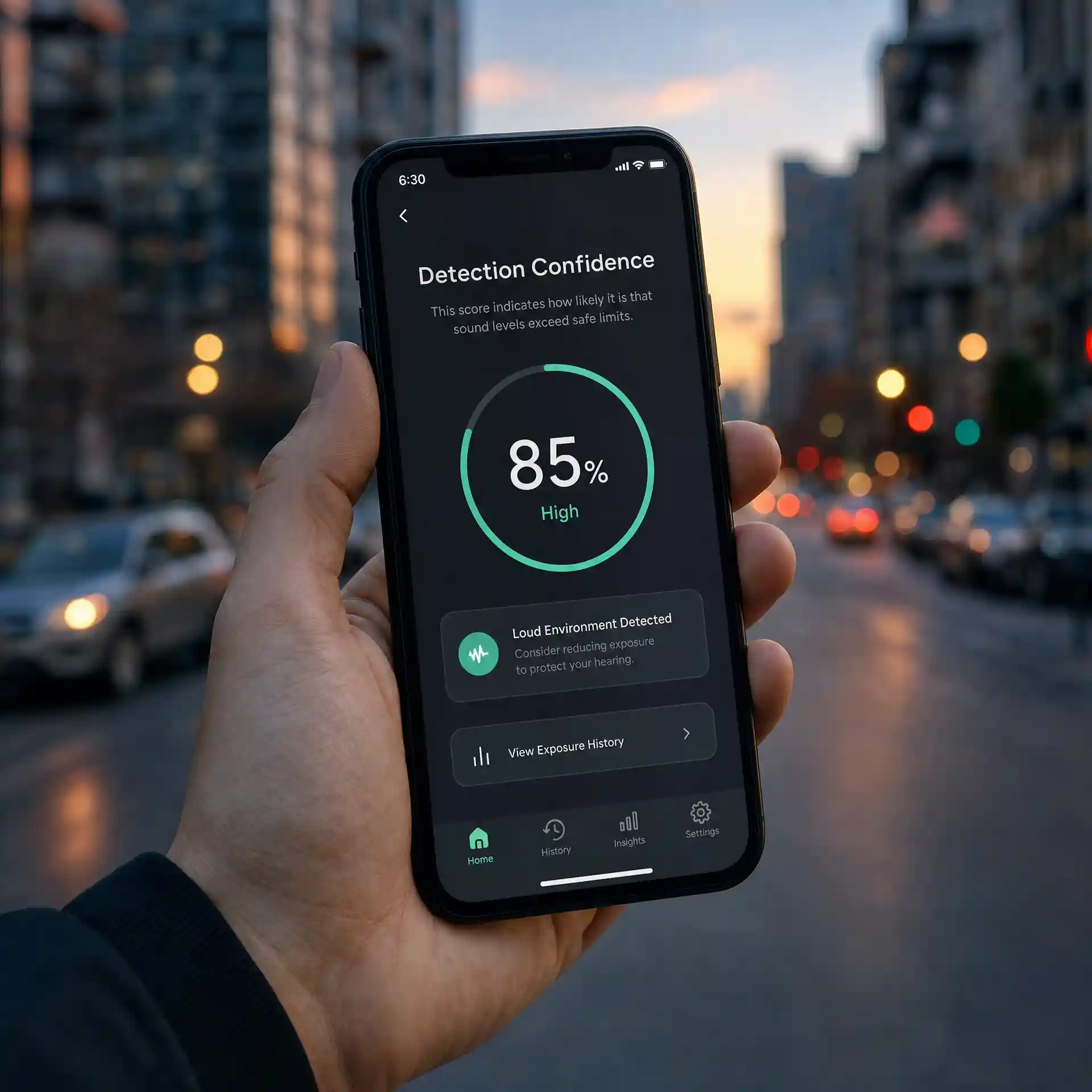
Current research supports that caution. Newer papers such as ArtifactNet and MusicDET show real progress, yet they also underline the moving target problem: detectors can generalize better, but generation models keep improving. So if you need to check if music is ai generated for publishing, licensing, or editorial work, use a score as evidence, not as judgment.
Musicians arguing over mixed human-plus-AI workflows reveal how to tell if music is ai generated gets harder when only one layer, such as vocals, is synthetic.
Hybrid workflow debate about mixed human AI vocalsr/musicians4.3. A simple scoring model works better than intuition
If you need a repeatable internal process, use a weighted checklist. Give 40% to listening clues, 25% to artist and platform context, 20% to detector signals, and 15% to lyrics and release behavior. This makes how to tell if music is ai generated less emotional and more operational.
| Evidence bucket | Weight | Best use |
|---|---|---|
| Listening clues | 40% | Human review |
| Artist context | 25% | Fast triage |
| Detector signals | 20% | Technical support |
| Lyrics and release behavior | 15% | Pattern check |
5. How to Tell if Music Is AI Generated and What to Do After the Check
5.1. Separate detection from legal and commercial safety
Many users jump from how to tell if music is ai generated to is ai generated music legal, but those are different questions. Detection asks where the sound likely came from. Legal and commercial review asks whether the rights, disclosures, and human contribution are clear enough for your use case.
For content teams, the safest next step is a source file checklist. Save the track URL, capture the creator page, archive the platform terms, and note whether the music was disclosed as generated, assisted, or fully human. This is where what is ai generated music becomes less philosophical and more procedural. You are building a paper trail that protects publishing decisions, which matters once how to tell if music is ai generated turns into a publishing choice.
Listener frustration around labeling shows how to tell if music is ai generated is only step one, because many users also want platforms to mark synthetic tracks more clearly.
Labeling frustration thread about clearer AI music tagsr/Music5.2. Train your ear with Beatbun and free generators
The most practical way to improve how to tell if music is ai generated is to create controlled comparisons. If you are asking which ai music generator is free, use one free option for rough samples, then use Beatbun for cleaner prompt experiments and structured A/B listening. Generate the same prompt three times with slight style changes. Then compare breath logic, stereo stability, lyric delivery, and chorus variation. That habit teaches how to tell if music is ai generated with much less guesswork.
This training method is powerful because it converts theory into memory. After a week, you will start hearing repeated machine habits faster. That helps you identify machine learning tracks without forcing every decision through a detector first. For most readers, this is the fastest path from curiosity to real skill in how to tell if music is ai generated.
6. How to Tell if Music Is AI Generated Without Overthinking It
6.1. Use the same order every time
The best final rule for how to tell if music is ai generated is consistency. Start with the artist footprint. Move to vocals. Check mix and arrangement. Use tools last, not first. That order keeps you from being fooled by a slick chorus or a random detector score. In practice, that order is how to tell if music is ai generated without chasing every new rumor online.
6.2. Make a call only after several clues line up
You do not need certainty to make a smart decision. You need enough aligned evidence to act with confidence. That is the real answer to how to tell if music is ai generated in 2026, when synthetic songs can sound good, context can look fake, and tools can disagree. Build a small comparison library in Beatbun and keep training on fresh English examples. That steady practice is still how to tell if music is ai generated with the least confusion. You can build those practice samples with Beatbun sample library for training your ear on modern AI generated music.