

How to Make AI Generated Music With BeatBun
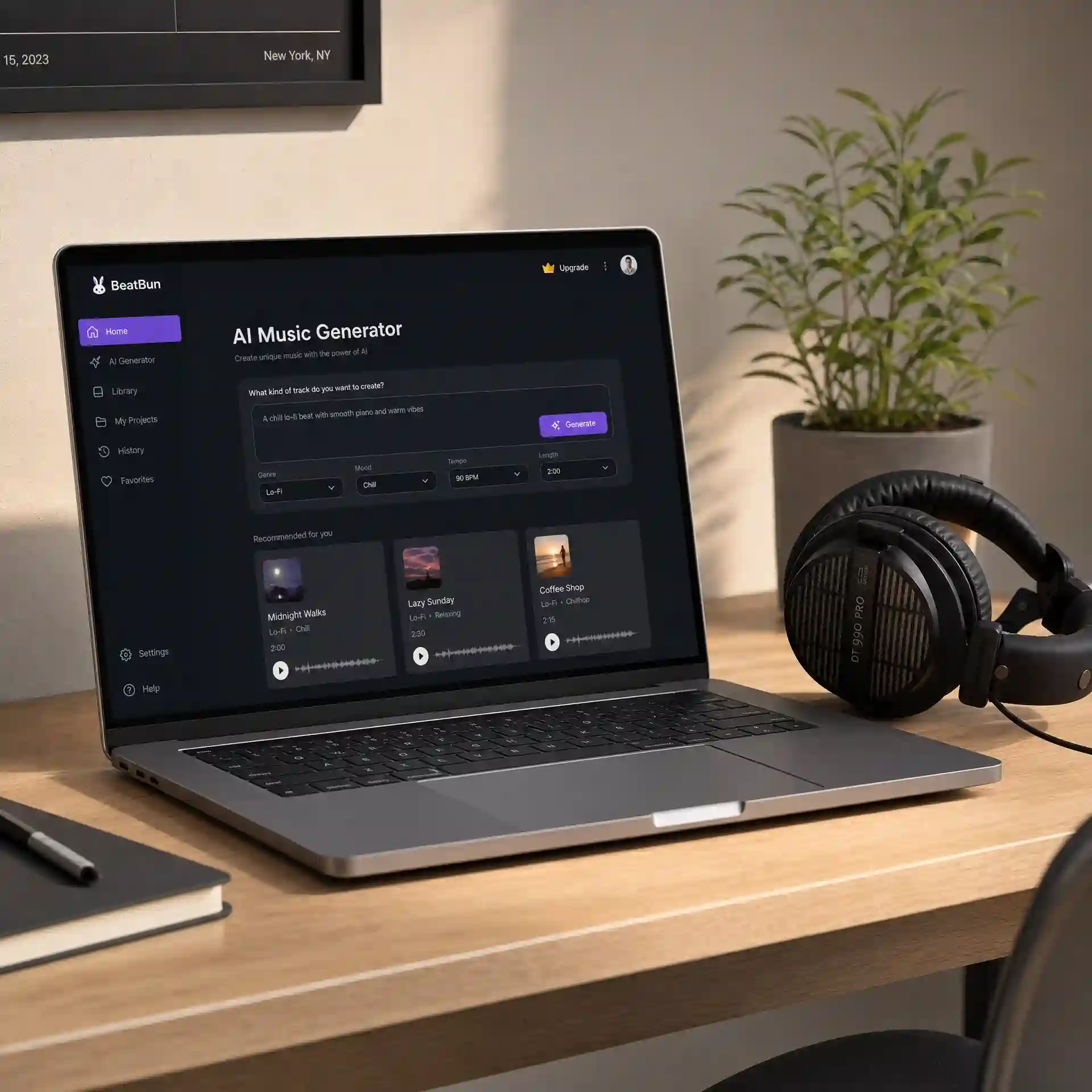
The fastest answer to how to make ai generated music is not one tool, but three smart choices used in the right order. First, BeatBun Simple mode is the best option when you need speed and a clean first draft. Second, BeatBun Custom mode is the best option when how to make ai generated music means tighter control over lyrics, style, vocal direction, and arrangement. Third, a prompt-first workflow is the best strategy when how to make ai generated music needs to lead to a track you can actually use for a video, a podcast, a game, or a brand piece.
That is why this guide stays practical from the first line. Many users bounce between an ai music generator, topmediai ai music generator, ai music generator melodycraft, and other pages from the best ai music generators list without making a single finished track. The real goal is not endless comparison. The real goal is to learn how to make ai generated music with a repeatable system, then use BeatBun to turn text to song creation into a fast and usable workflow.
1. How to make ai generated music starts with the right path
1.1. Use the fast path when how to make ai generated music means speed
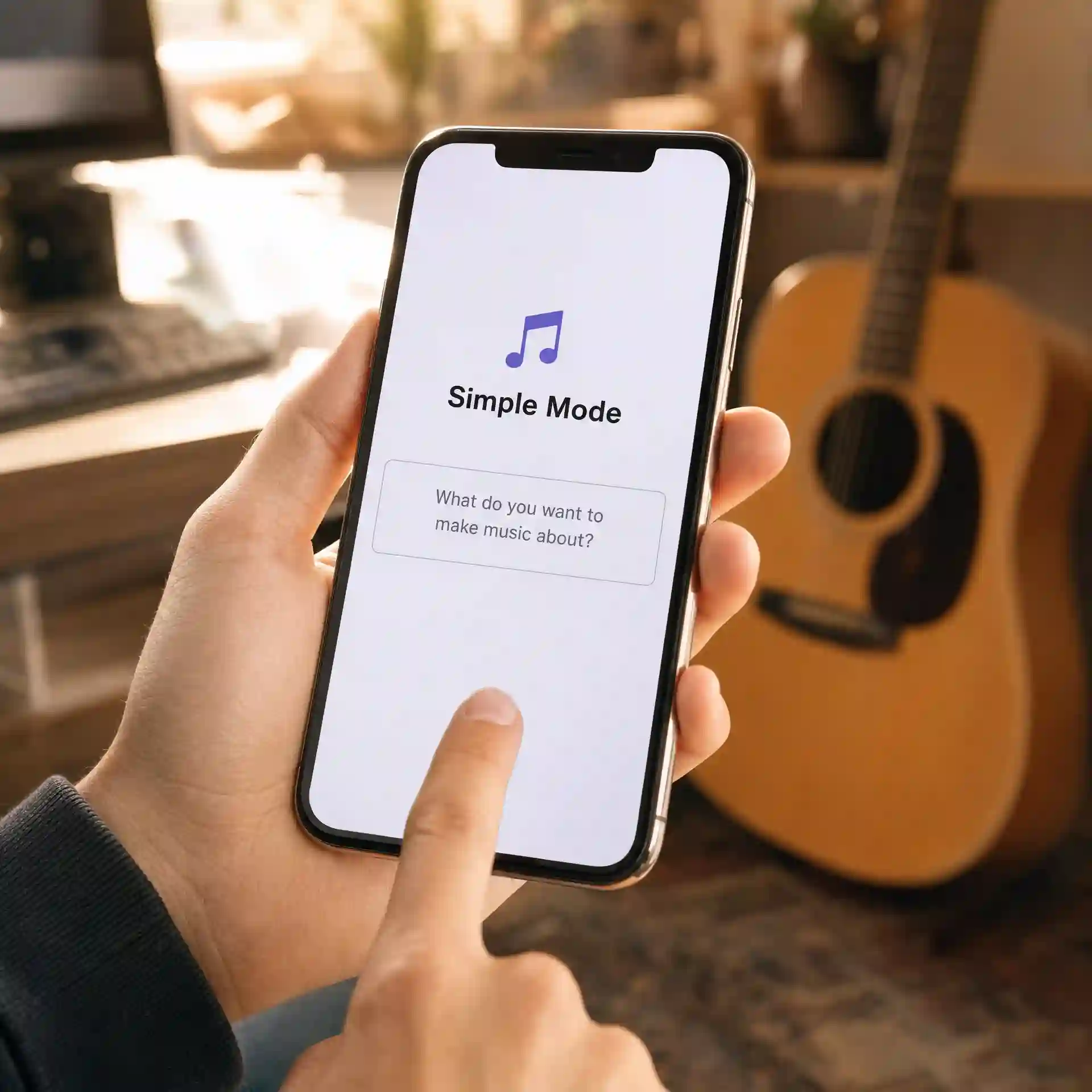
If your goal is background audio, a quick demo, or a first idea check, start with BeatBun Simple mode. In this case, how to make ai generated music should feel close to briefing a producer in one sentence, not filling ten boxes before you hear anything. A short prompt with mood, genre, tempo, and main instrument usually works better than a long rambling block.
Simple mode also matches how many creators really work. They begin with a scene, a hook, or a use case such as “warm indie acoustic intro for a morning vlog” or “dark synthwave chase music for a game trailer.” If how to make ai generated music is your question, Simple mode gives you the fastest first answer. After that, you can decide whether the idea needs more control.
1.2. Use the control path when how to make ai generated music means precision
Custom mode is the better choice when the first generation is close, but not close enough. This is the point where how to make ai generated music becomes more like structured text to song creation and less like casual experimentation. You can separate lyrics from style notes, shape genre and mood, pick tempo direction, and decide whether the vocal target should be male, female, or duet.
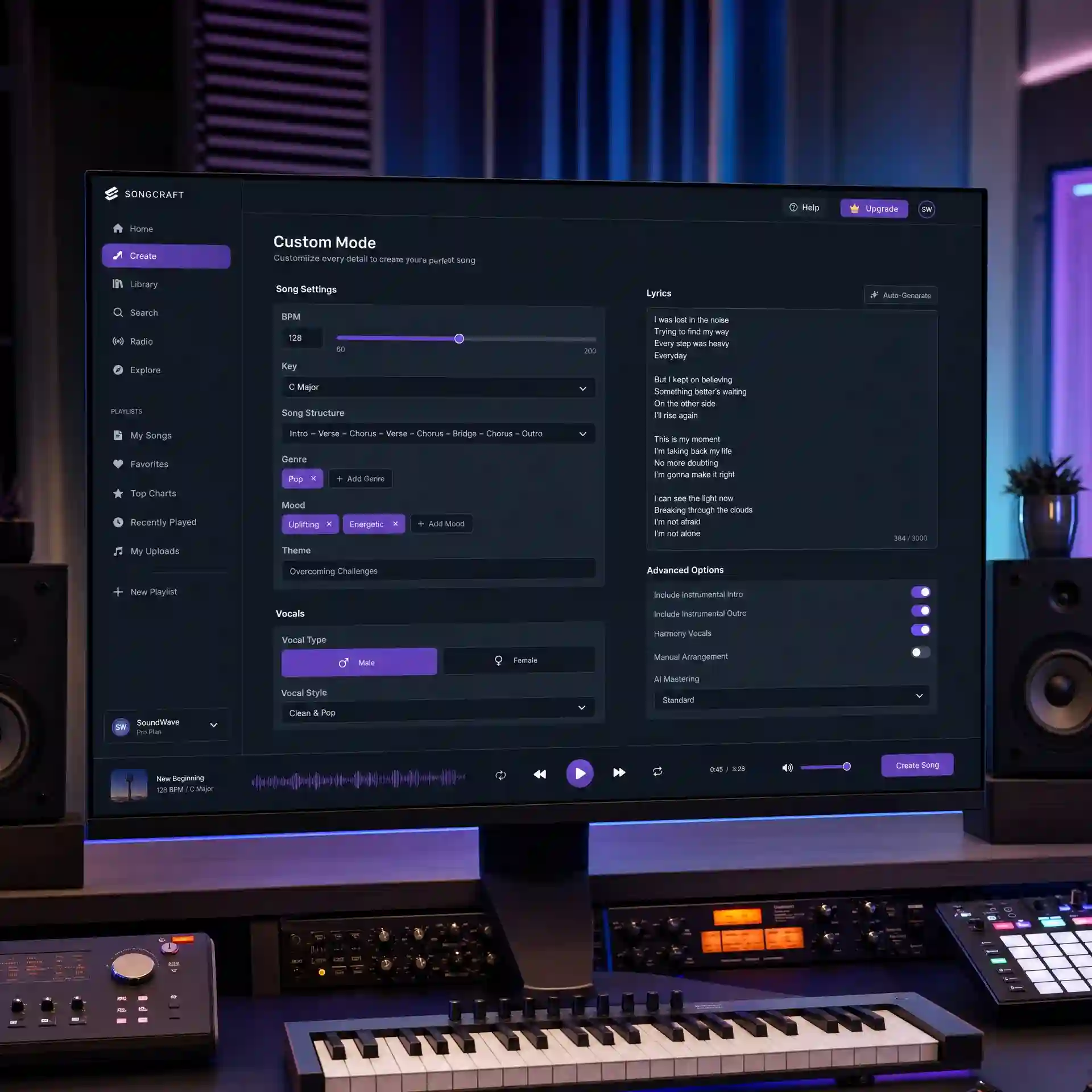
Custom mode is also where BeatBun becomes more useful than a generic tool page. Instead of guessing, you can tell the system what the song should do. When how to make ai generated music is tied to a real deliverable, Custom mode usually wins. It turns artificial intelligence audio production into something easier to steer.
| Need | Simple Mode | Custom Mode |
|---|---|---|
| Fast first draft | ✅ | ✅ |
| Detailed lyrics control | ❌ | ✅ |
| Precise vocal choice | ❌ | ✅ |
| Quick background music | ✅ | ✅ |
| Fine style tuning | ❌ | ✅ |
1.3. Stop switching tools before you finish one useful track
A common mistake is spending more time comparing pages than creating music. People search topmediai ai music generator, ai music generator melodycraft, ai sheet music generator, and ai music cover generator because they want certainty before they start. That feels productive, but it usually delays the real lesson in how to make ai generated music, which is learning how much prompt quality shapes the result.
The smarter move is to lock in one use case and finish one song. Make a YouTube intro, a podcast bed, a game loop, or a lyric demo first. If how to make ai generated music stays attached to a real job, your prompt decisions become clearer and your edits become faster.
Users testing how to make ai generated music say short prompts with clear genre, tempo, and instruments reduce random vocals and style drift in instrumental runs.
Prompt writing tips for better AI music resultsr/SunoAI2. How to make ai generated music depends on better prompts, not longer prompts
2.1. Build prompts like a creative brief for how to make ai generated music
The best prompts are compact and specific. A reliable formula for how to make ai generated music is: use case + genre + mood + tempo + lead instruments + vocal or instrumental direction. That formula works because deep learning music synthesis handles clear constraints better than vague enthusiasm.
For example, “cinematic piano instrumental” is a weak start. “Slow cinematic piano instrumental, soft strings, reflective mood, 78 BPM, for a documentary intro, no vocals” is much stronger. The second version gives automated song composing tools a job to do. If you are serious about how to make ai generated music, start treating prompts like mini production briefs.
2.2. Match the prompt to the job in how to make ai generated music
Users often overload prompts because they want the song to feel original. They mix five genres, three decades, and too many emotional adjectives, then wonder why the result feels confused. A better way to approach how to make ai generated music is to anchor the prompt in the final use case first. Once the purpose is clear, you only need one main style and two or three support details.
For a creator video, try “uplifting indie pop instrumental, muted guitar, light drums, bright synth accents, medium tempo, made for a startup explainer.” For a lyric demo, try “female vocal alt pop, intimate verse, bigger chorus, warm synth pad, crisp kick, emotional but clean.” This is how text to song creation becomes usable instead of random.
2.3. Revise one variable at a time in how to make ai generated music
Most weak results come from changing too much at once. If the song is close, keep the use case and main style, then change only the weakest part. That step-by-step method is a better answer to how to make ai generated music than rewriting everything after every failed try.
Use simple diagnosis rules. If the track feels flat, add stronger instrumentation and a more visible emotional turn. If it feels messy, remove extra style words and keep one lead genre. If how to make ai generated music is turning into guesswork, reduce the number of moving parts.
People learning how to make ai generated music for pure background use report better results when they separate style, instrumentation, and no-vocals instructions in Custom mode.
Instrumental prompting guide for cleaner AI background tracksr/SunoAI| Problem | Weak move | Better move |
|---|---|---|
| Output sounds generic | Add random genre pileups ❌ | Add scene, tempo, and instruments ✅ |
| Instrumental still sings | Repeat “instrumental” ten times ❌ | Add “no vocals,” separate style notes, keep lyrics empty ✅ |
| Chorus has no lift | Rewrite the whole prompt ❌ | Add energy change and arrangement cue ✅ |
| Style feels messy | Add more adjectives ❌ | Cut to one lead genre and two support tags ✅ |
3. How to make ai generated music inside BeatBun step by step
3.1. Start in Simple mode for speed in how to make ai generated music
BeatBun Simple mode is the cleanest entry point for beginners. If how to make ai generated music feels overwhelming, Simple mode lowers the friction to one strong description. Write the scene, the mood, the genre, and the main instrument in one line, then decide whether you want lyrics or an instrumental result.
One common BeatBun case shows how to make ai generated music for Maya, a YouTube creator who needs a 20-second intro for a morning vlog. The first prompt, “uplifting background music,” came back too generic and included light vocal texture. The fix was simple: switch to Instrumental, add “warm indie acoustic, hand claps, light kick, 95 BPM, clean stop,” and the next result was usable.
3.2. Move to Custom mode when how to make ai generated music needs control
Custom mode is where BeatBun becomes a stronger production system. If how to make ai generated music now means writing your own hook, controlling the vibe, or choosing a vocal direction, this is the right mode. Put lyrics or a lyric idea in the lyrics field, then use the styles field to describe genre, mood, tempo, instrumentation, and overall sonic direction.
One useful Custom-mode case shows how to make ai generated music for Jordan, an indie songwriter with a full verse and chorus but no production skills. The first mistake was stacking too many tags like alt pop, synth rock, cinematic, dream pop, and soul in one brief, which made the chorus muddy. Cutting the style list to one lead genre, one mood, and one vocal choice produced a cleaner draft that felt more personal.
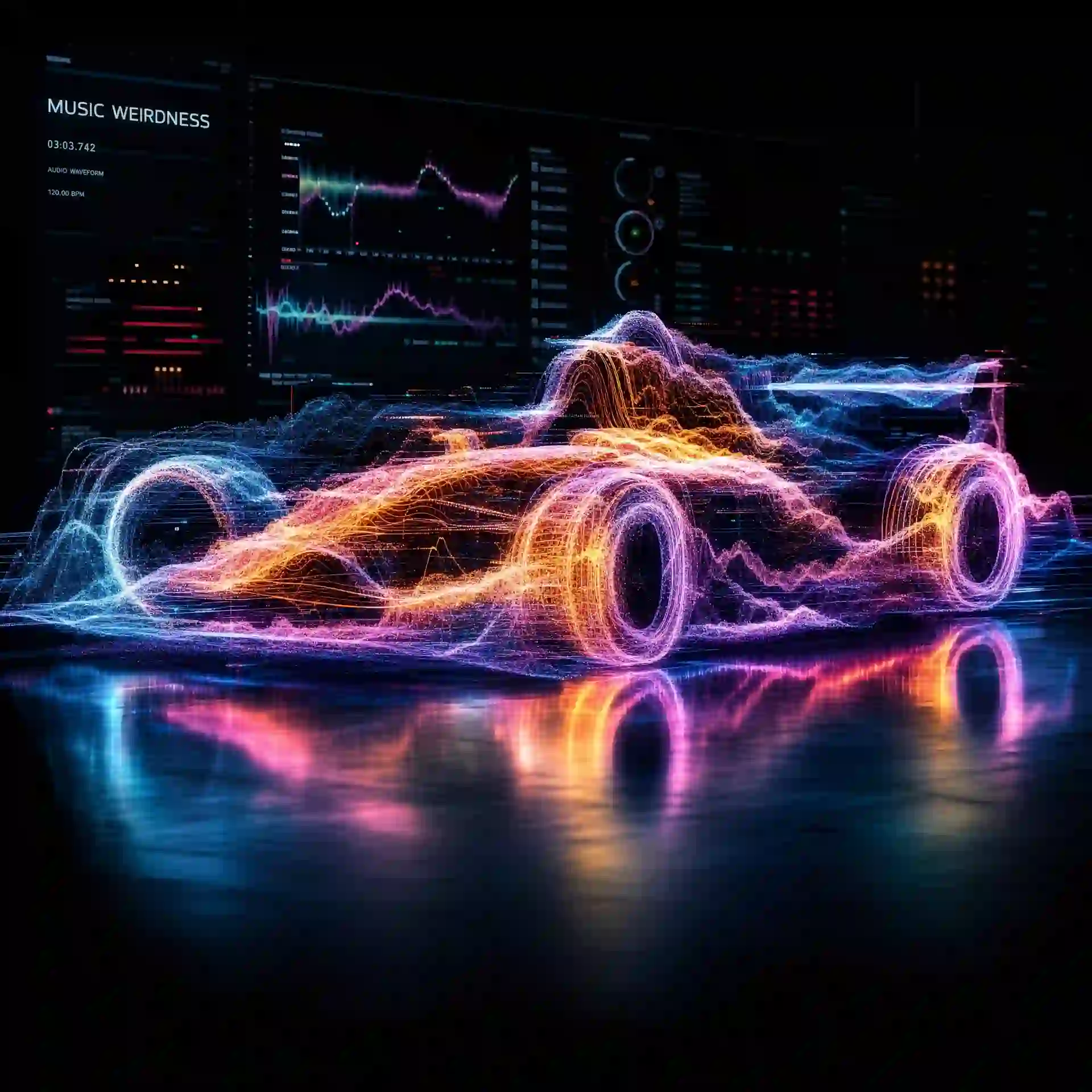
3.3. Use Weirdness and Style Influence in how to make ai generated music
These two settings matter because they change the balance between stability and surprise. Lower Weirdness usually means safer, cleaner, and more commercially useful results. Higher Weirdness can open more unusual phrases, textures, or transitions, but it may also push the song away from the brief.
Another real-world case is Leo, a mobile game creator building a neon racing loop. He pushed Weirdness too high, got fun textures, but lost rhythmic stability for gameplay. Lowering Weirdness and keeping Style Influence in the middle created a steadier loop that still felt fresh.
3.4. Use the Workspace wisely in how to make ai generated music
The generation step is only half of the process. BeatBun’s Workspace view helps you review versions, compare outcomes, and decide which draft is worth keeping. The current public plan messaging shows that the free tier includes 20 AI credits, Lite mode only, 4 generated songs, no downloads, and no commercial license, while paid plans unlock downloads, more monthly credits, and commercial rights.
The screenshots you shared add another practical point. Free users are warned that generations are kept for only 7 days, which means strong results should be evaluated quickly. If how to make ai generated music needs to end in a track you can keep and ship, plan choice is not a side detail. It is part of the production decision.
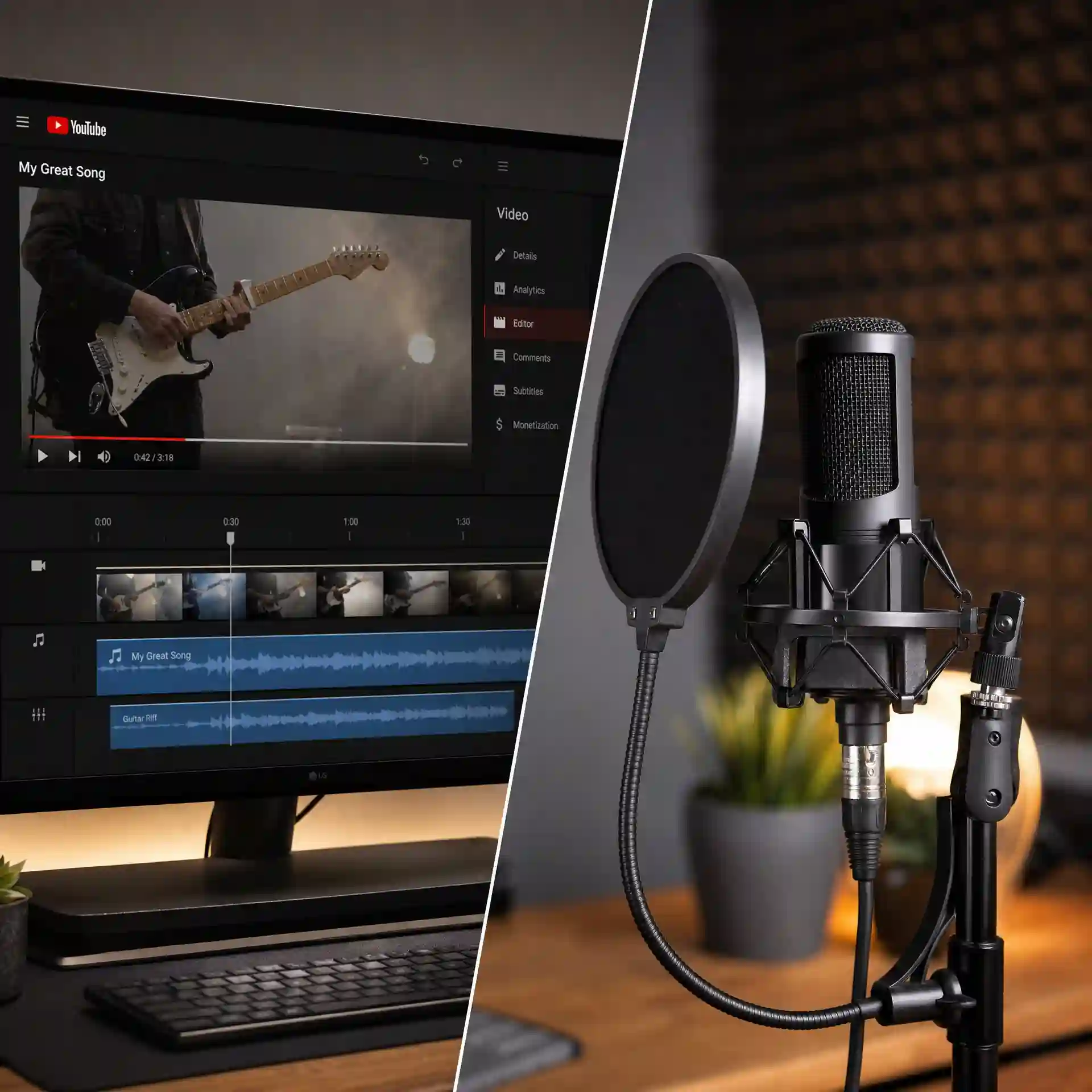
When planning how to make ai generated music for YouTube, creators should also review platform music-use rules before publishing anything made for monetized videos.
Music rightsYouTube4. How to make ai generated music that sounds useful, not generic
4.1. Fix flat tracks in how to make ai generated music
A lot of AI music fails because it stays at one energy level. The fix is to tell the model where motion should happen. If how to make ai generated music keeps giving you static results, add arrangement cues such as “soft intro, wider chorus, stronger drums after 0:30, clean ending.”
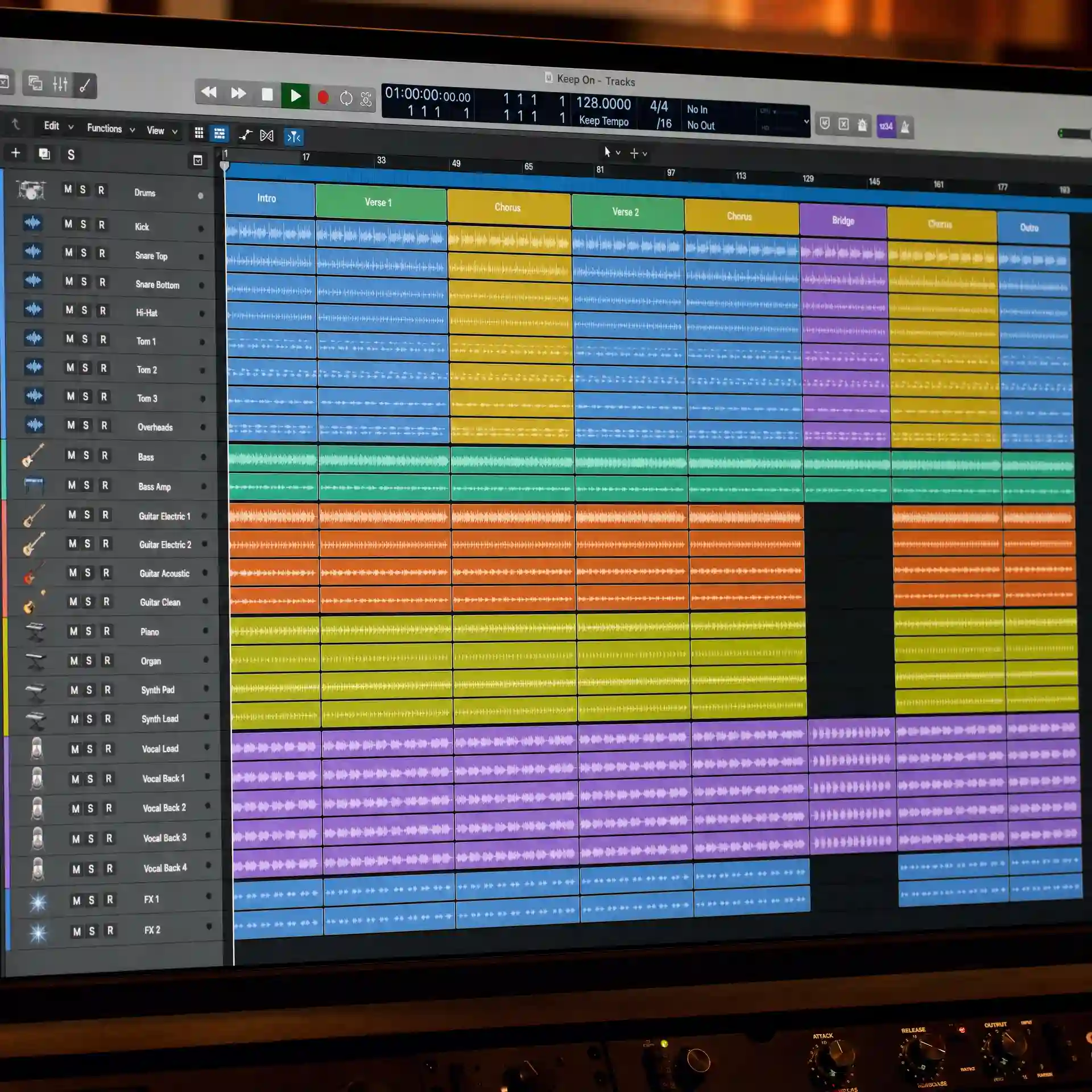
This matters for content creators because useful music often needs function, not just vibe. A trailer cue needs rise. A podcast bed needs space. That is why how to make ai generated music should include structure as part of the prompt, not only style.
4.2. Fix unwanted vocals in how to make ai generated music
Unwanted vocals are usually a control problem, not a mystery. Leave the lyrics field empty for pure background music, state “no vocals” in the style logic, and avoid writing your prompt like a lyrical sentence. If how to make ai generated music still produces a voice where you do not want one, shorten the brief and make the instrumental role clearer.
Template feel needs a different fix. Add one visual detail, one era cue, and one performance detail instead of stuffing in new genres. “Dusty drum break, late-night city feel, muted trumpet accents” is more useful than stacking vague adjectives. This is where deep learning music synthesis rewards specificity.
4.3. Match the output to the real job in how to make ai generated music
A good AI song is not always a useful AI song. Before you accept a final version, ask whether the track truly fits the publishing job. A YouTube intro needs a strong opening and a clean stop. A podcast track needs room under speech. If how to make ai generated music ends with the wrong functional shape, the prompt has not done its job yet.
This is also the point where you should separate original generation from adjacent tasks. If you need notation, an ai sheet music generator may help after the song idea is ready. If you need transformation of an existing song concept, an ai music cover generator is a different workflow from writing new material. The cleaner you keep the goal, the easier how to make ai generated music becomes inside BeatBun.
5. How to make ai generated music your repeatable BeatBun workflow
5.1. Use one repeatable system instead of chasing perfect prompts
The most reliable answer to how to make ai generated music is a repeatable sequence. Start with the use case. Choose Simple mode for fast testing or Custom mode for precision. Write a compact brief with genre, mood, tempo, instrumentation, and vocal direction.
This system works because it is practical. It also fits BeatBun’s strongest value: quick generation when you need speed, and more control when you need refinement. If how to make ai generated music becomes a habit instead of a one-off experiment, your output quality rises fast.
5.2. Start with BeatBun, finish one track, then optimize
Do not wait for the perfect tool stack before you begin. Open BeatBun, choose the path that matches your goal, and make one real track today. That first finished result will teach you more about how to make ai generated music than another hour spent comparing brand pages from the best ai music generators category.
BeatBun is especially strong when your goal is practical creation. It gives you a direct ai music generator workflow, a clear text to song creation path, and enough control to turn rough ideas into publishable music faster. That makes it a useful home base for creators, indie developers, marketers, and songwriters who want action instead of theory. If how to make ai generated music is the keyword that brought you here, BeatBun gives you the shortest path from prompt to finished audio.